
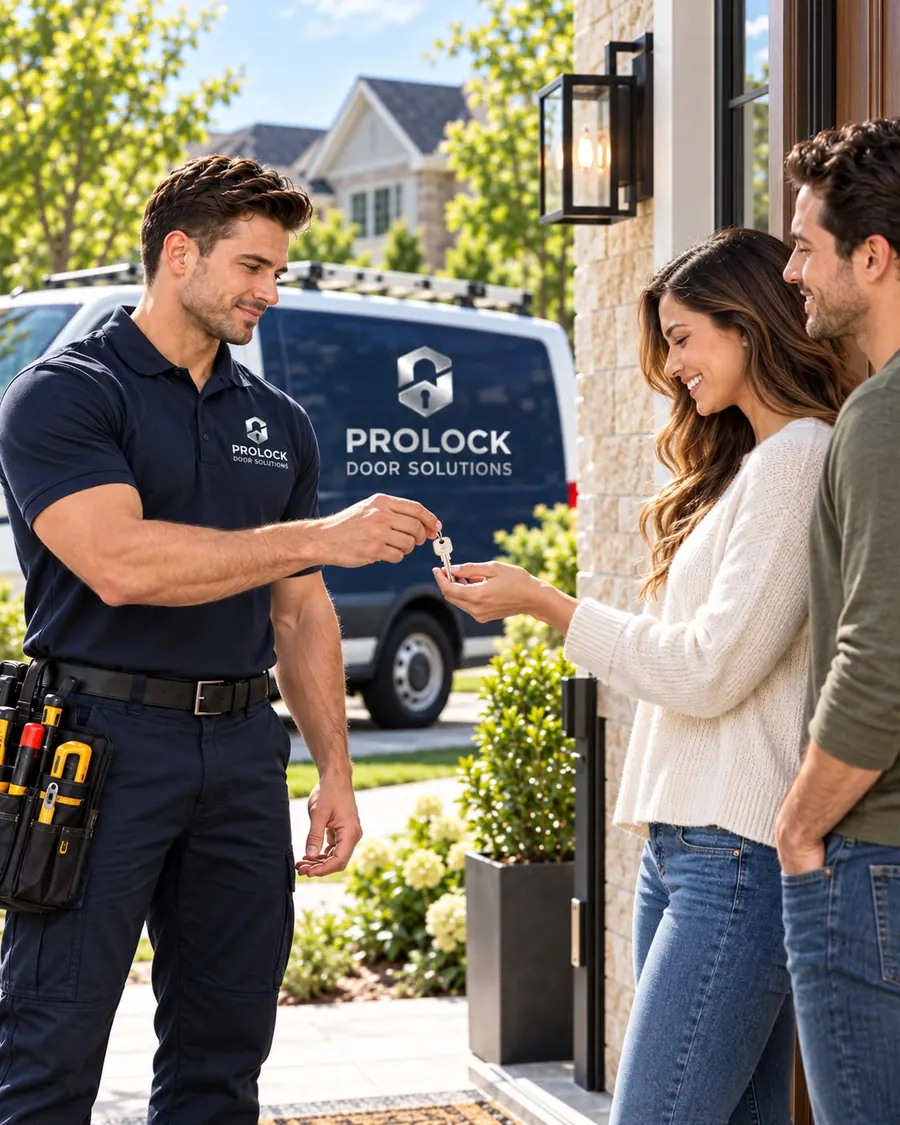
When a rekey can't wait
Some reasons to rekey can be scheduled for next week, like a planned move. Others make the house less safe every night they go unaddressed:
- Your purse, wallet or keys were stolen, along with anything that shows your address.
- Keys were lost somewhere you can't retrace, like a gym, a parking lot or a bar.
- A relationship ended and the other person still has a key.
- An employee was let go and didn't return their keys.
- A house sitter, contractor or roommate left on bad terms.
- You found a door unlocked that you know you locked.
How a same-day rekey works
Rekeying doesn't replace your locks. We remove each cylinder, replace the pins inside it to match a new key, and put it back. Your hardware looks and works exactly the same, and every old key stops working the moment the cylinder goes back in. A typical home with a few exterior doors is done in a single visit. Read more about how rekeying works.
What gets rekeyed
Think about every lock the missing key could open:
- Front, back and side doors
- The door from the garage into the house
- Detached garages, sheds and workshops
- Storm doors with keyed handles
- Keypad locks, whose backup cylinder uses a key, and whose codes should be changed too
If your garage door opener was stolen with your car or keys, reprogram the opener as well.
For businesses
When an employee leaves without returning keys, or a key ring goes missing, rekeying the affected doors the same day closes the gap. If it's the second or third time, consider restricted keys that can't be copied, or access control so you can turn access off instead of changing locks.
Rekey or replace?
If your locks are in good condition, rekeying is the simpler and less expensive option. If a lock is worn or damaged, or you want an upgrade at the same time, we can replace it on the same visit.
What to do in the first hour
If your keys were stolen, a few steps protect you while you wait for the rekey:
- Report it. If a purse, wallet or car was stolen, file a police report. It helps with insurance and creates a record.
- Lock what you can from inside. Use deadbolts, thumbturns and chain guards, since a stolen key only works from outside.
- Secure the garage. If a garage remote was taken, unplug the opener or use the manual lock on the door.
- Change codes. If you have a keypad or smart lock, change the codes and remove any shared users.
- Call us. Tell us how many doors and which locks, so we bring enough cylinders and pins for the whole house.
For a business, add one more step: make a list of everyone who had a key to the affected doors. It makes the rekey simpler and tells you whether it's time for restricted keys.
Rekeying for property managers
For a property manager, a lost master key or a tenant who leaves without returning keys can affect several doors at once. We rekey the affected locks the same day and, if the building is on a master key system, keep the new keys working with your existing master so nothing else has to change.
Common questions
Will I need new keys for every door?
You'll get a new key, and we can key every lock to that one key so you're not carrying more than before.
Can you rekey a lock without the current key?
Yes. It takes a little more work, but we can rekey locks even when the original key is gone.
What about my mailbox?
Mailbox locks use a different key, so they're changed separately. See mailbox locks.