
Why keys break
Keys rarely snap out of nowhere. They usually break after weeks or months of warning signs: a key that bends slightly, a lock that needs a hard twist, or a deadbolt that only turns when you pull the door. Cold New Hampshire mornings make it worse, because metal contracts and lubricant thickens, so a stiff lock gets stiffer right when you're in a hurry.
Other common causes are worn copies of copies, cheap key blanks, and using a key to pull a door shut.
What to do right now
- Leave the broken piece alone. Pushing it in, or trying to turn it, can jam it deeper.
- Skip the glue, tweezers and bobby pins. They often push the fragment in further or leave residue in the pins.
- Don't try the other half. Turning the lock with the remaining piece can break it again.
- If the door is unlocked, leave it that way until the key is out, so you don't lock yourself out.
- Keep both pieces. We can often cut a new key from the broken one.
How we extract a broken key
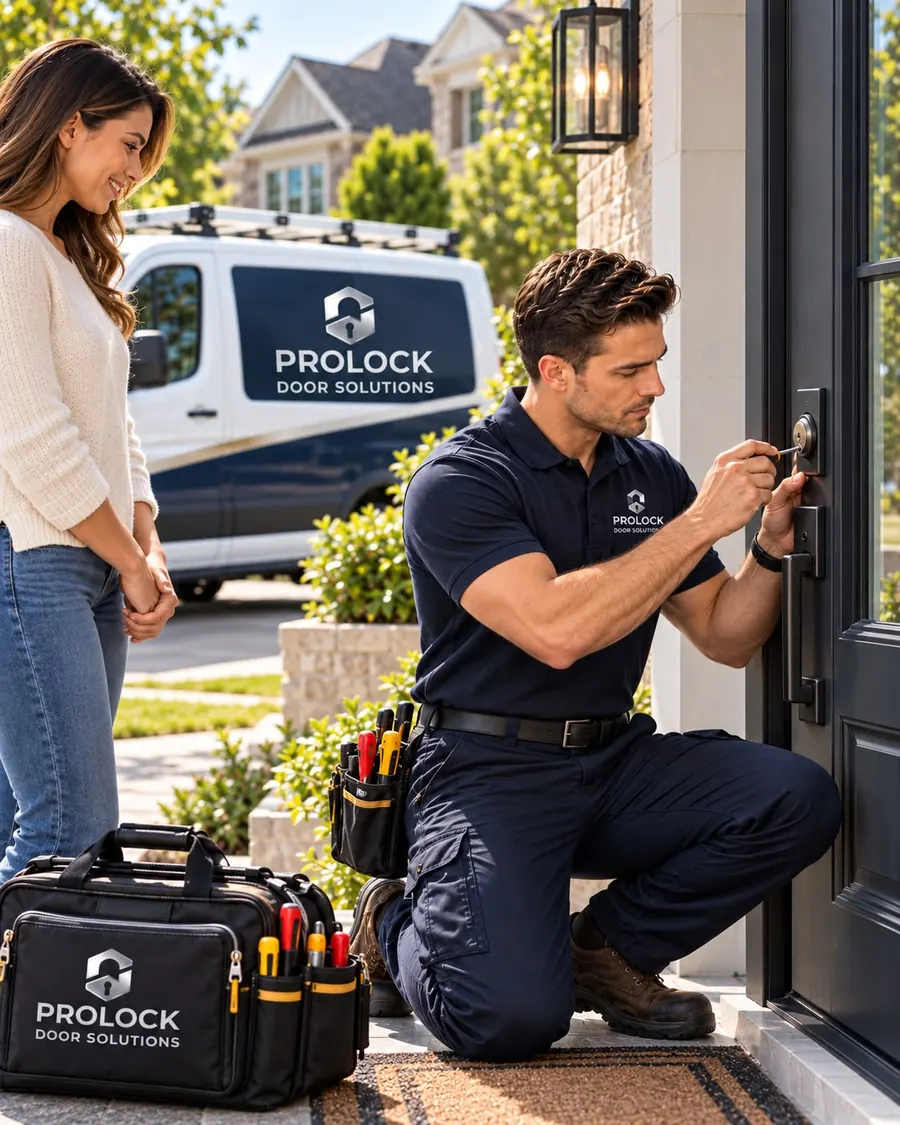
We use dedicated extraction tools, thin hooked and serrated blades that slide alongside the broken piece, catch its cuts and draw it out of the keyway. In most cases the lock is undamaged and works normally afterward. If the fragment is wedged too tightly, we can remove the cylinder and push the piece out from the back.
After the extraction
- We cut a new key, either from the broken pieces or by decoding the lock.
- We test the lock and check for wear or binding that caused the break.
- If the cylinder is worn, we clean and lubricate it, or recommend a rekey or replacement.
Broken keys in car ignitions and doors
Car keys break too, especially older keys with worn blades and remote heads that crack. If a key breaks in the ignition, don't try to start the car with the remaining piece. We extract it and can cut and program a new key on site. See ignition repair and car key replacement.
Warning signs worth fixing early
- Your key is visibly bent or has cracks near the shoulder.
- The lock only turns if you lift or push the door.
- You have to wiggle the key to get it in or out.
- The key is a copy of a copy and doesn't feel right.
A fresh key or a small adjustment to the door costs far less than an extraction and a lockout.
Keys break in padlocks and cabinets too
Not every broken key is in a front door. We also extract broken keys from padlocks, mailbox locks, file cabinets, desk drawers, storage units and car trunks. Small locks often have tighter keyways, which makes extraction more delicate, but the approach is the same: remove the piece without damaging the lock, then make a new key that works.
If the lock is a padlock or a low-cost cabinet lock, replacing it may cost less than extracting and cutting a new key. We'll tell you which makes more sense before we start.
Common questions
Will the lock need to be replaced?
Usually not. Most broken keys come out cleanly and the lock keeps working. If the lock is worn, we'll tell you.
Can you make a new key from the broken pieces?
Often, yes, as long as we have both pieces and the cuts aren't badly worn.
Can I spray lubricant in the lock?
Not while the key is stuck. Afterward, use a dry graphite or a lock-specific lubricant, not household oil, which collects dirt.